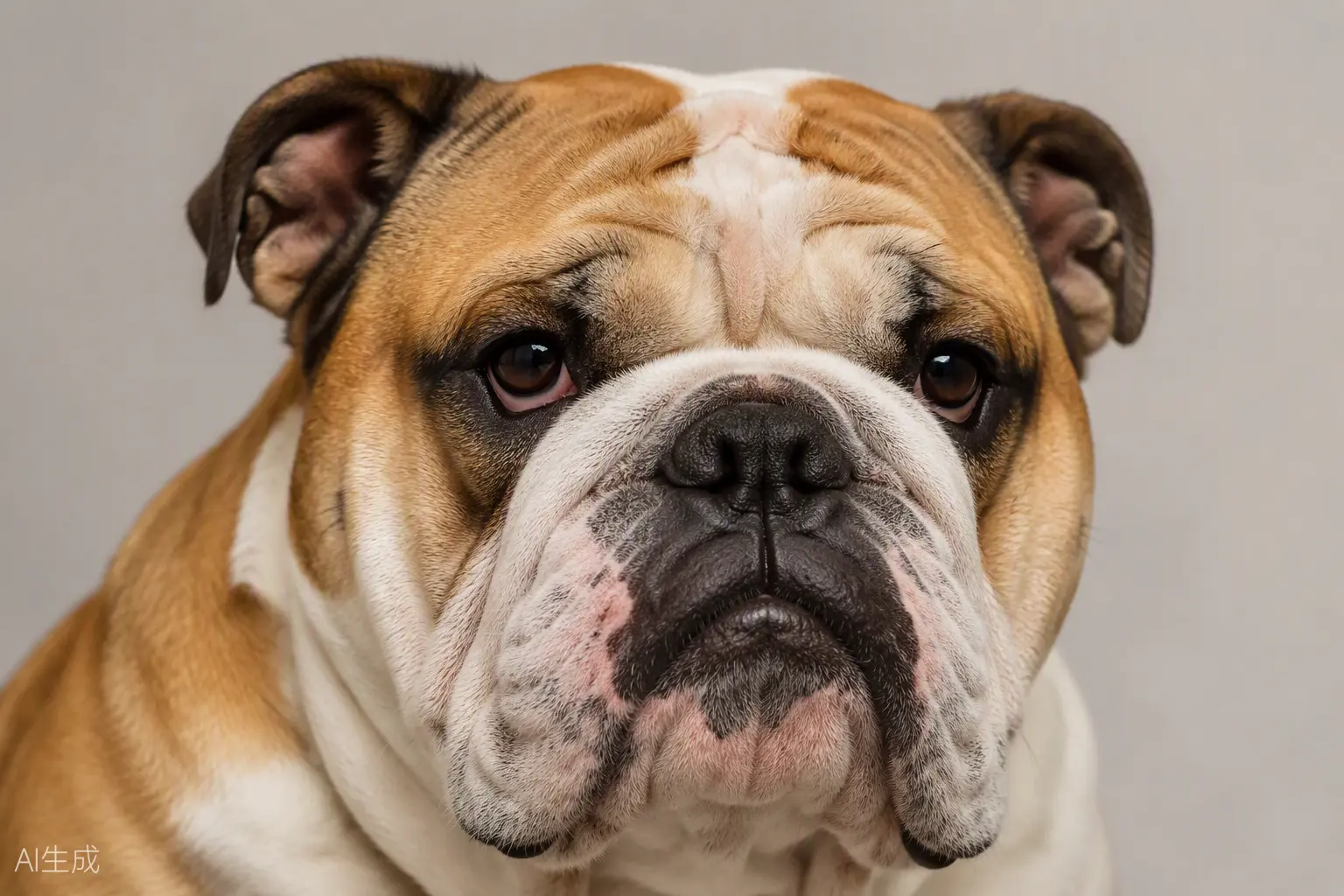
Bulldog Breathing Problems: BOAS Explained
Why Bulldogs Struggle to Breathe
If you share your life with a bulldog, you already know the soundtrack: snorting, snuffling, and snoring. While some noise is part of the breed’s charm, it can also signal a serious condition called brachycephalic obstructive airway syndrome (BOAS). Understanding BOAS helps you protect your bulldog’s health and quality of life.
What Is BOAS?
BOAS is a collection of airway abnormalities common in flat-faced breeds like bulldogs, French bulldogs, and pugs. It typically involves:
- Stenotic nares: Nostrils that are too narrow, restricting airflow.
- Elongated soft palate: Excess tissue at the back of the throat that partially blocks the windpipe.
- Everted laryngeal saccules: Tissue inside the airway that gets pulled inward by the effort of breathing.
- Hypoplastic trachea: A windpipe that is narrower than normal.
These issues force your bulldog to work harder for every breath — and the effort itself makes the airway more inflamed over time, creating a vicious cycle.
Signs to Watch For
Some bulldog owners assume noisy breathing is “normal for the breed.” It is common, but it is not harmless. Watch for:
- Loud breathing even at rest
- Gagging, retching, or regurgitation after eating or exercise
- Exercise intolerance: slowing down, sitting, or lying down on walks
- Overheating quickly, even in mild weather
- Blue or gray-tinged gums or tongue (an emergency)
- Restless sleep, sleeping with a toy in the mouth, or sleeping sitting up
- Collapse or fainting episodes
When to See the Vet
Make an appointment if your bulldog shows any of the signs above regularly. Seek emergency care immediately for blue gums, collapse, or obvious distress — heat and stress can push a compromised airway into crisis within minutes.
Your vet may recommend:
- A BOAS assessment: Many vets now use standardized grading to score airway function.
- Surgery: Widening the nostrils and shortening the soft palate can dramatically improve breathing, especially when done young.
- Weight management: Every extra kilogram makes breathing harder, so managing your bulldog’s weight is a real treatment, not just cosmetic advice.
- Lifestyle adjustments: Harness instead of collar, avoiding heat, and moderating exercise.
Living Well with a Brachycephalic Dog
Even without surgery, you can make daily life easier for your bulldog:
- Keep them lean: A healthy weight is the single most effective thing you can do.
- Avoid heat and humidity: Walk early in the morning or late in the evening in summer.
- Use a harness: Collars put pressure directly on the windpipe.
- Keep excitement low-key: Stress and overexcitement increase breathing effort.
- Elevate food and water bowls: This reduces gulping and regurgitation.
Conclusion
BOAS is common in bulldogs, but it should never be dismissed as “just how they are.” Early assessment, weight control, and smart daily management can add years to your bulldog’s life — and make every one of those years more comfortable.
Note: This article is for general information only. If you are concerned about your bulldog’s breathing, consult a veterinarian — ideally one with experience in brachycephalic breeds.
Useful Resources
- Bulldog Club of America: https://bulldogclubofamerica.org/
- Bulldog Health Guide